Fiddleheads and Fireweed for a Delicious Supper
 |
| Fiddleheads ready for picking |
Fiddleheads are really just baby ferns. Keep reading for some of my favorite Fiddlehead and Fireweed recipes. Most of the fiddleheads growing in Alaska have this papery brown coating that must be cleaned off before cooking. If you live where ostrich ferns are plentiful, you are fortunate. They're "naked", meaning that they don't have that heavy coating, and you will be spared many hours of work. When we've had all the hours of "fun" we can stand cleaning fiddleheads, we start picking the young fireweed shoots.
Many people think fiddleheads and fireweed shoots taste a lot like asparagus. I see the similarities, and often interchange recipes, but there's a big difference to me. I much prefer fiddleheads to asparagus, but maybe that's because fiddleheads are the first wild greens to come up here, even before all the snow has melted, and because they are the first fresh produce we've tasted in several months. They usually start about the time the birch sap stops running and we're still craving all those natural vitamins and minerals.
The new fireweed shoots are great because they don't have to be cleaned. Sometimes they can be a little tough, even when they are young, but generally we like them, and I use them in all of the following recipes, either with or instead of fiddleheads. I will try to remember to take some fireweed pictures and add them, so come back in a day or so if you'd like to see what a young fireweed shoot looks like.
Cleaning fiddleheads is simple, but slow. Everybody cleans them differently, but I've found that keeping them dry works best. I use a scrubber sponge --- one of those rough, green pads used to clean pots and pans. Just lightly rub each side of the fiddlehead with the sponge. You don't have to get off every little paper scale. Just do the best you can. The "paper" doesn't have much flavor. It's just visually unappealing when too much is left on. These recipes can also be used for broccoli, cauliflower or asparagus.
See the pictures for what to pick. They should still be coiled up, like the head of a fiddle. If they are starting to open, just leave them. Fiddleheads must be cooked before eating. If you eat lots of raw fiddleheads, they will deplete your body of thiamine. If you've ever tasted a raw fiddlehead, you will not want to eat many of them that way. But cooked ---- now that's another story!
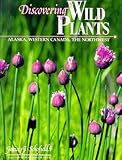

Before I get to the recipes, I'd like to tell you about a wonderful book,
Discovering Wild Plants: Alaska, Western Canada, The Northwest by Janice Schofield. It was the first plant book I bought when I came to Alaska, and has been an invaluable resource for me in learning to identify wild plants as well as helping me to form a basic understanding of their uses. The photographs are excellent, but what makes this book so useful for plant identification are the detailed sketches and descriptions of each plant. The author discusses the plant's appearance, when to harvest, which parts to harvest, medicinal and food uses, historical information, and potential dangers. If you live in Alaska, western Canada or the Pacific Northwest and are interested in wild plants, this books is a must have.
Batter Fried Fiddleheads
This recipe makes enough for a hungry crowd. You could cut the recipe in half, but when we eat them with a sprinkle of my seasoning mix, my boys wish I'd made a double batch!
Ingredients:
3 to 4 pints of fiddleheads, freshly picked and cleaned
3 cups rice flour --- wheat flour will work, but they won't be as crisp. Also, rice flour contains no gluten.
2 1/4 teaspoons salt
1/2 teaspoon black pepper
1/2 cup powdered eggs
3 Tablespoons melted butter or olive oil
about 2 1/2 to 3 cups water (more or less -- you want the batter thick, but not like dough)
If you like, blanch about 3 to 4 pints of freshly picked and cleaned fiddleheads. Blanching isn't necessary, and if I'm short on time, I skip this step. It does make them a little more tender, but they are still delicious without blanching first. If you choose to blanch them first, do this by dropping a fairly small amount all at once into rapidly boiling water. I put a lid on the pot and time it for 1 minute, then strain out the water. Set aside to cool while you make the batter.
(note: if you like, use 4 fresh eggs instead of egg powder, and decrease the water to about 1 1/2 cups)
Sift together the dry ingredients because egg powder tends to be lumpy. But if you are using fresh eggs, just stir together the flour, salt and pepper. Next, stir in the melted butter or olive oil, and gradually stir in the water (and eggs, if you're using fresh ones). The batter should be somewhat thick. You can add more flour or water to get the preferred consistency. Fry up a few as a test, then adjust the batter if necessary before stirring in all the fiddleheads. We prefer a thicker batter.
Use whatever kind of fat you like for deep frying. Heat it to about 350 degrees F. Drop by rounded tablespoons into the hot grease and fry until they float and are lightly browned on one side, then turn to brown the other side. If you use rice flour, it will take a bit longer to brown, but they will be nice and crunchy! Drain on paper towels. Fry up another batch. Sprinkle with salt or my seasoning mix, below. These are also good dipped in a mixture of equal parts prepared mustard and highbush cranberry catsup.
Variation:
Wild chives are abundant around here right about when the fiddleheads are ready. My boys love it when I add a handful or two of chopped chives (onions would be great, too).
Sometimes I brown a pound or two of ground moose or beef, drain and add it to the batter along with about a pound of chopped cheese (Cheddar, Colby and Swiss cheeses are all delicious in this).
Vary the seasonings to suit your taste. Sometimes I toss in a tablespoonful or two of caraway seeds or a little dill. Or try a mixture of sage, rosemary or any other herbs you enjoy.
Seasoning Mix for Fiddleheads or French Fries
(I like to keep this on hand to season lots of things)
Mix together in a jar:
3 Tablespoons salt
1 1/2 Tablespoon onion powder
1 Tablespoon chili powder
2 teaspoons garlic powder
1 teaspoon (more or less to taste) ascorbic acid powder (vitamin C - available in health food stores)
Boiled Fiddleheads
 |
| Fiddleheads before and after cleaning the "silk" |
Clean fiddleheads and drop into boiling water. Cook until tender, about 15 minutes. For variety, cook them with a few young fireweed shoots. You can serve them either hot or cold with your favorite salad dressing or topped with your favorite sauce. Fiddleheads are especially good with a cheese or mustard sauce. We often eat them cold, and I mix up some olive oil, apple cider vinegar, and various seasonings for a salad dressing. When we have wild chives, I like to chop them into a jar and cover with apple cider vinegar. In a week or so, the flavor really comes out. I use this vinegar in salad dressings.
Cheese Fiddlehead Casserole
4 Tablespoons butter
4 Tablespoons flour (Tapioca flour works well if you want it gluten free)
2 cups milk (You may want to add more milk or some cream later after stirring in the fiddleheads.)
In a large pan, melt the butter. Stir in flour and cook, stirring for 2 minutes. Gradually stir in milk. Cook, stirring over medium heat until thickened. Then stir in the following. You can use whatever cheeses and seasonings you like. This is a combination I use sometimes:
3 cups cubed cheddar cheese
salt to taste - about 1 to 2 teaspoon
pepper to taste - about 1/2 to 1 teaspoon
1/4 cup chopped onion
3/4 teaspoon ascorbic acid powder (vitamin C - available in health food stores)
2 cloves garlic, peeled and crushed or chopped
1/4 teaspoon basil
1/4 teaspoon thyme
pinch of celery seed
1 teaspoon mustard powder
Now stir in:
4 cups cleaned, boiled fiddleheads
3 cups cooked rice
Spoon into buttered 9" x 13" pan and bake. Bake uncovered in 350 degree F. oven about 30 minutes, until bubbly. If desired, before baking, sprinkle the top with seasoned bread crumbs and dot with butter. You can also stir in some chopped or ground, cooked meat before baking.
Fiddlehead Pickles (1)
 Makes 5 pints (but you can easily adjust this to fit the amount of fiddleheads you have)
Prepare pint jars and lids according to package directions. Keep lids in hot water until ready to use.
Fill sterilized pint jars with cleaned, raw fiddleheads, leaving about 1/2 inch headspace.
Into each jar, place:
1 sprig of fresh or dried dill
2 cloves garlic
1/2 teaspoon mustard seeds
1 teaspoon dill seeds
1 hot red pepper
In a saucepan combine the following, bring to a boil, and simmer 15 minutes:
3 cups distilled, white vinegar (apple cider vinegar tastes good, but turns cloudy)
4 cups water
1/3 cup pickling salt
3 Tablespoons pickling spices that have been tied in a piece of cotton or several layers of cheesecloth
Remove the spice bag and pour the hot mixture over fiddleheads, leaving about 1/2 inch headspace. Put lids and bands on each jar. Process in a boiling water bath 15 minutes.
Fiddlehead Pickles (2)
Makes about 10 pints (but you can adjust this for the amount of fiddleheads you have)
Prepare pint jars and lids according to package directions. Keep lids in hot water until ready to use.
Fill sterilized pint canning jars with cleaned, raw fiddleheads, leaving 1/2 inch headspace.
Into each jar, place:
5 whole cloves
3 peppercorns
1 clove garlic
1 sprig fresh or dried dill
In a saucepan combine, bring to a boil and simmer 15 minutes:
6 cups distilled, white vinegar
8 cups water
2/3 cup pickling salt
6 to 12 good splashes (to taste) of hot pepper sauce (such as Tabasco)
3 Tablespoons each of dill seeds and mustard seeds that have been tied in a cotton cloth bag or several layers of cheesecloth.
Pour hot mixture over fiddleheads, leaving 1/2 inch headspace. Put lids and bands on each jar. Process in a boiling water bath 15 minutes.
(Note: the above recipes make great fireweed, radish, turnip, broccoli or cauliflower pickles, too. For broccoli and cauliflower, cut into desired size pieces, then blanch in boiling water 2 minutes prior to packing into jars.)
 |
| Fiddleheads |


